
Exploring Long-Term Care and Benefits of Concrete Fencing
Concrete fencing is a durable and popular choice for property boundaries. It’s known for its strength and resilience, making it a favored option for both residential and commercial settings. However, like all structures, concrete fences require regular upkeep to ensure they remain in top condition over time. In this guide, you’ll learn about the essential maintenance practices for concrete fencing. By understanding these requirements, you can enjoy a long-lasting boundary solution that continues to serve your needs effectively.
Why Choose Concrete Fencing?
Concrete fencing offers several advantages over traditional materials. It’s robust, requires minimal maintenance compared to other options, and provides excellent security. Furthermore, concrete fences are highly customizable, allowing them to blend seamlessly with different architectural styles. Selecting concrete fencing ensures you have a sturdy and reliable perimeter for years to come.
The Role of Fence Installation in Longevity
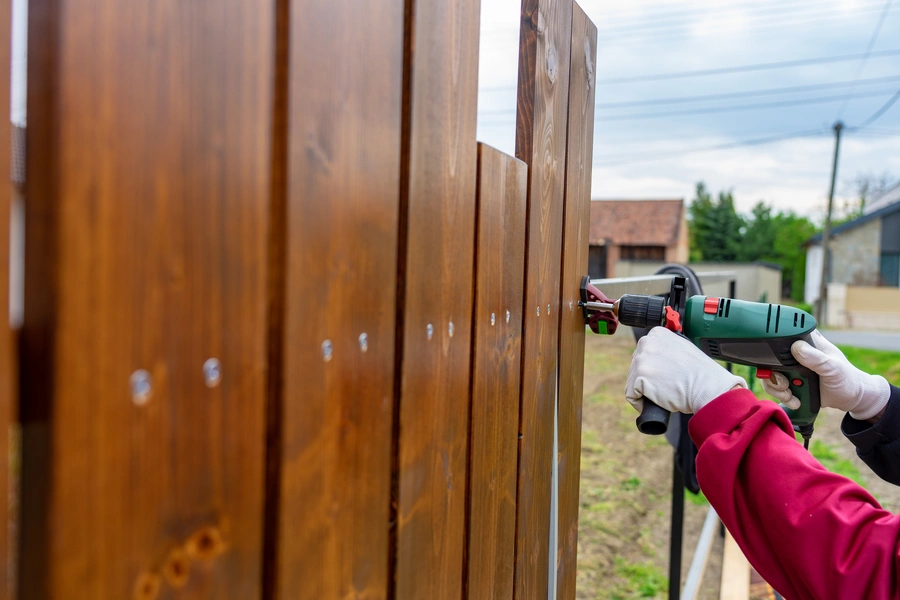
A proper fence installation is crucial in enhancing the lifespan of your concrete fencing. Ensuring that the foundation is solid and the alignment is correct prevents potential issues such as leaning or cracking. Professional installation also guarantees that any reinforcements needed for stability are correctly implemented, thus reducing future maintenance demands.
Key Maintenance Tasks for Concrete Fencing
Regular maintenance tasks can significantly extend the life of your concrete fencing. These tasks include:
- Inspecting for cracks or damage regularly
- Cleaning the surface to remove dirt and grime
- Applying sealant to protect against moisture
These steps help maintain the appearance and structural integrity of your fence.
The Impact of Weather on Concrete Fences
Weather conditions play a significant role in the wear and tear of concrete fences. Extreme temperatures can lead to expansion and contraction, causing cracks over time. Additionally, heavy rains may wash away supporting soil, affecting stability. Understanding how weather affects your fence allows you to take preventive measures, such as applying weather-resistant coatings and ensuring proper drainage systems are in place.
Repair Techniques for Damaged Concrete Fences
If damage occurs, timely repairs are essential. Minor cracks can be filled with epoxy or patching compounds to prevent them from worsening. For more significant damage, professional intervention might be required to assess and repair structural issues. Addressing problems promptly will save you from costly repairs down the line and maintain the safety and appearance of your fence.
Best Practices for Preserving Concrete Fencing
Adopting best practices in care can reduce long-term costs and preserve the value of your investment. Here are some tips:
- Conduct annual inspections to catch early signs of wear
- Use high-quality sealants designed for outdoor use
- Avoid using harsh chemicals that could degrade concrete surfaces
- Ensure plants or trees near the fence do not cause structural harm with roots
Following these practices helps keep your fence looking good and functioning well.
Professional Fence Installation Services Enhance Durability
While DIY methods might seem appealing, hiring professionals for your fence installation ensures quality workmanship. Experts understand the specific needs of concrete fencing, including soil conditions and environmental factors that influence durability. By investing in professional services, you minimize future maintenance challenges and maximize the lifespan of your fence.
Contact Me for Concrete Fencing Solutions
If you’re looking for reliable concrete fencing solutions, I’m here to help. Based in Lafayette, CO, I provide comprehensive services tailored to meet your unique needs. Contact me at (720) 817-3476 today to discuss how JF Concrete Services LLC can enhance your property’s security and aesthetics with expert care and craftsmanship.